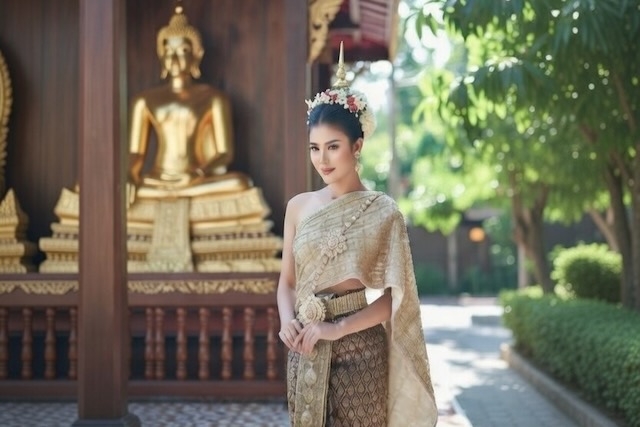

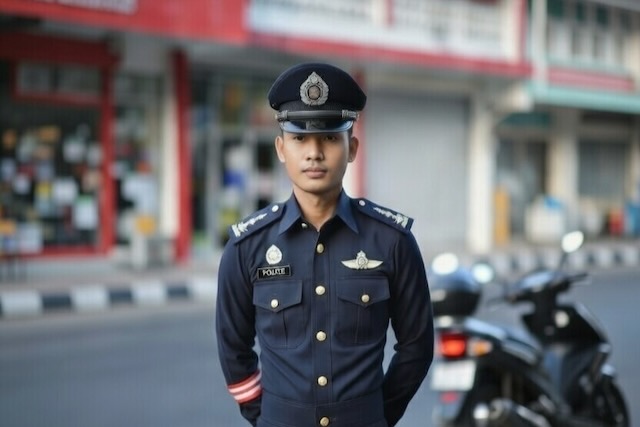

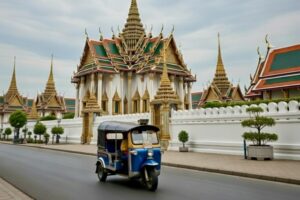
Thai culture is a deeply respectful, harmonious, and collectivist society heavily influenced by Theravada Buddhism, with over 95% of the population practicing. Key, core values include sanuk (pursuing fun/joy), sabai sabai (a relaxed lifestyle), and kreng jai (extreme consideration for others’ feelings). Social hierarchy, respect for elders, and maintaining a “cool heart” (jai yen) by avoiding open conflict are paramount.
Key Aspects of Thai Culture:
- Core Values: Mai pen rai (“no worries”) reflects a laid-back attitude towards problems. The Wai (pressing palms together with a bow) is the traditional greeting and sign of respect.
- Religion & Beliefs: Buddhism blends with animism, leading to the prevalence of spirit houses to appease local spirits. Monks are highly revered.
- Social Structure: A strong emphasis is placed on family, with generations often living together. Hierarchy is important, with respect shown to elders and those in higher positions.
- “Thainess” (Thainess): This refers to the unique, national identity characterized by politeness, generosity, and maintaining a calm, non-confrontational demeanor.
- Cultural Practices: The Loy Krathong and Songkran festivals are significant, as is deep respect for the Monarchy.
When should you Wai?
In Thailand, you should wai (put palms together, slightly bow) to show respect, gratitude, or to apologise, typically to people older, of higher status, or when greeting/parting. As a tourist, you are not expected to initiate it, but you should return a wai if it is given to you by someone of similar status [more…]
When to Wai (Initiate):
- Monks: Always wai monks or Buddha images/shrines, placing thumbs at your forehead.
- Elders/Superiors: When greeting or saying goodbye to someone clearly older or in a higher position, with thumbs at your nose.
- Expressing Gratitude/Apology: When thanking someone sincerely (e.g., for a special favor) or apologizing.
- Formal Situations: In business meetings or when introduced to someone important.
When NOT to Wai:
- Service Staff/Vendors: Do not wai to waiters, taxi drivers, or cashiers when they wai you; a smile and a nod are sufficient.
- Children: Do not wai children.
Key Tips:
Context: If in doubt, a warm smile and a polite “Sawasdee” (Hello) or “Khob Khun” (Thank you) is always respectful.
Return Wais: If staff or a local wai you, a polite nod, smile, and slight bow is acceptable, though returning the wai is also polite.
Height Matters: Hands at chest = equals; hands at chin = elders; hands at nose = superiors; hands at forehead = monks.
Social Etiquette:
Respect for Tradition: Always show respect for the royal family and religious, sacred objects
Head and Feet: The head is considered the highest part of the body, and the feet the lowest. Never touch someone’s head or point your feet at people or Buddha images.
Modesty: Dress modestly when visiting temples (shoulders and knees covered).
Thais don’t like confrontation and will just shut down if you raise your voice. Remember you aren’t at home now where raising your voice (even to get a servers attention in a restaurant) will be looked down upon. Thai’s believe needing to raise your voice indicates lack of control or respect.
10 Things You Should Know About Thai Culture
Thailand is one of the world’s most popular travel destinations, welcoming millions of visitors each year. With its rich traditions, strong family values, and welcoming people, Thai culture offers a unique experience unlike anywhere else. Understanding a few cultural basics will help you enjoy your trip and connect more deeply with local life.
1. Thailand has a tropical climate
Thailand has three main seasons: the hot season (March to May), the cool season (November to February), and the rainy season (June to October). Weather conditions vary across regions, from the beaches in the south to the mountains in the north, making Thailand a year-round destination.
2. Buddhism shapes everyday life
Around 95% of Thailand’s population practices Theravada Buddhism. This influence can be seen everywhere, from temples and festivals to daily routines and social values. Religion plays an important role in shaping Thai traditions, behavior, and attitudes.
3. Family is the center of society
Family is extremely important in Thai culture, often extending beyond parents and children to include cousins, grandparents, and relatives. In fact, there is no specific Thai word for “cousin,” and relatives are often referred to as brothers and sisters.
4. Respect and social status matter
Respect is deeply embedded in Thai society. Age, education, profession, and family background can all influence social status. People often use respectful titles, such as “Pee” for someone older and “Nong” for someone younger, to acknowledge relationships and hierarchy.
5. Saving face is very important
The concept of “saving face” means avoiding embarrassment, confrontation, or public displays of anger. Thais value calmness and politeness, and maintaining harmony is more important than winning an argument.
6. Thailand is known as the Land of Smiles
Smiling is a key part of Thai communication. A smile can express happiness, politeness, gratitude, or even apology. It helps maintain harmony and reflects the friendly nature Thailand is famous for.
7. National pride runs deep
Thailand is proud of its history, especially the fact that it was never colonized by a European power. This independence has helped preserve its culture, traditions, and national identity.
8. Superstitions and spiritual beliefs are common
Many Thais believe in spirits, luck, and astrology. Spirit houses are often placed outside homes and businesses, and people may consult monks or fortune-tellers before important life events such as weddings, moving house, or starting a business.
9. Monks are highly respected
Monks play an important role in Thai society and are treated with great respect. Visitors should be polite around monks and follow basic etiquette, such as giving them space and dressing appropriately when visiting temples. Women should not touch or sit next to a Monk.
10. The head and feet have symbolic meaning
The head is considered the most sacred part of the body, while the feet are seen as the lowest and least clean. Avoid touching someone’s head or pointing your feet at people, religious objects, or images of the Buddha.
Understanding these cultural customs will help you show respect and enjoy a warmer welcome during your visit. Thai people are known for their kindness and friendliness, and even small efforts to respect local traditions are greatly appreciated.