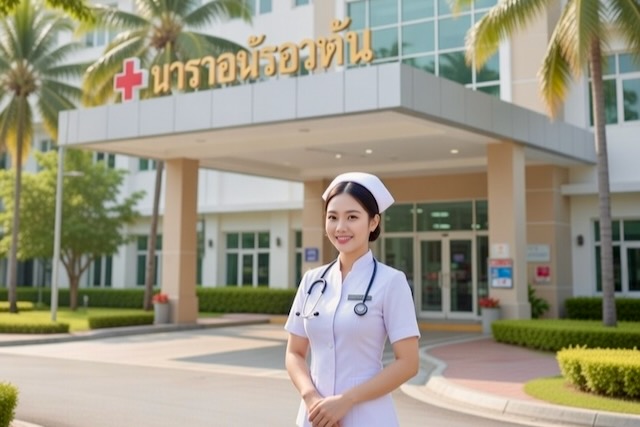
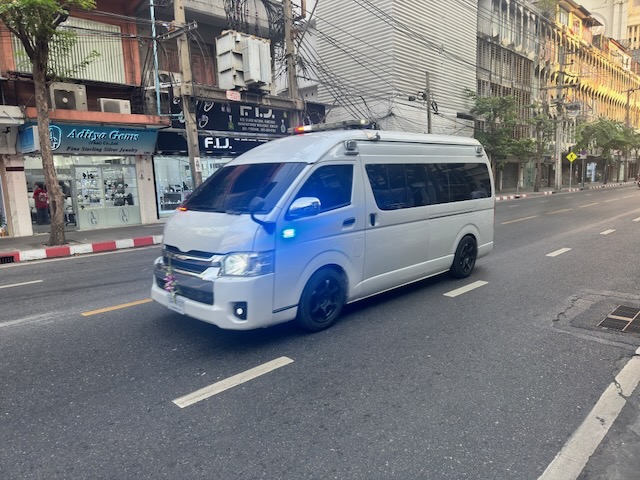


Healthcare in Thailand is very good with first class medical teams and the latest equipment. It is recognised as being a great place to have medical procedures done at a fraction of the cost in the West.
Get travel insurance in your home country before you arrive. Medical costs aren’t expensive in Thailand although if you have a serious injury then costs can mount up very quickly. You cannot buy travel insurance after you leave you home country.
Thailand offers a high-quality, two-tier healthcare system combining affordable, extensive public care with world-class, affordable private hospitals. The Universal Coverage Scheme (UCS) covers nearly all citizens, while expats typically use private, English-speaking facilities, which are often faster and boast5-star-like amenities.
Key Aspects of Healthcare in Thailand
- Public Healthcare (UCS): Funded by taxes, the UCS offers free or very low-cost care to Thai nationals, covering over 99% of the population. Public hospitals are often crowded, have long wait times, and limited English proficiency among staff.
- Private Healthcare: Thailand is a premier global medical tourism destination, with private hospitals providing top-tier, international-standard care at significantly lower costs than in the US or Western Europe.
- For Expats & Foreigners: Foreigners working legally in Thailand pay into the social security system, which allows access to public hospitals. However, many expats prefer private insurance for faster service, better facilities, and English-speaking staff.
- Costs: While public care is very cheap (e.g., $1–$6 USD for GP visits), private, high-end care is more expensive but still considered affordable.
- Quality & Access: While urban areas like Bangkok and Chiang Mai have excellent, modern facilities, care in rural areas may not be as advanced.
Key Considerations
Accessibility: Public hospitals require patients to go to their designated facility, while private hospitals offer more flexibility.
Insurance: It is highly recommended for tourists and long-term expats to have private health insurance.
Language: While private hospitals have English-speaking doctors, language barriers can exist in public, rural hospitals.
Needing Treatment?
Search online for your nearest private hospital and give them a call. The staff usually have a good command of english. You will often be offered an appointment the very next day.
Health checkups are also very popular and a great way to keep a track of your health. If needed, further tests and screening can be offered usually the same or next day.